

WordPress powers over 40% of the web — yet it’s still surrounded by confusion, outdated beliefs, and half-truths. These myths stop people from using WordPress to its full potential. 5 Reasons Why Small Businesses Should Use WordPress
Let’s bust 10 WordPress myths that simply aren’t true anymore.
1. WordPress Is Only for Blogs
This is the oldest myth in the book. While WordPress started as a blogging platform, 9 Content Ideas That Work Best for WordPress Blogs it has evolved into a full-featured content management system.
Today, WordPress is used to build:
- Business websites
- eCommerce stores
- Membership platforms
- Portfolios and SaaS sites
Why This Myth Persists:
People remember WordPress from its early days and never looked back. But judging modern WordPress by its past is like judging smartphones by flip phones. Businesses that believe this myth often spend more money on complex platforms when WordPress could do the job better and faster. 5 Easy Ways to Start a Website Using WordPress
WordPress is far more than just a blogging platform.
2. WordPress Is Not Secure
Many assume WordPress is insecure because it’s popular. In reality, its popularity just makes issues more visible.
Security problems usually come from:
- Outdated plugins
- Weak passwords
- Poor hosting
Why This Matters:
WordPress itself is regularly updated and maintained by a global developer community. When configured correctly, it’s just as secure as any other platform. 7 Best WordPress Security Plugins Blaming WordPress for poor maintenance is like blaming a car for skipping oil changes.
Security depends on management—not the CMS.
3. You Need Coding Skills to Use WordPress
Modern WordPress is designed for non-technical users. Page builders, block editors, and themes make customization easy.
You only need coding if you want deep customization — not for running a professional site. How to Create a Professional Website Using WordPress
Why This Myth Stops People:
This belief scares beginners before they even start. In reality, WordPress empowers users who don’t code, letting them focus on content and growth instead of technical complexity.
Modern WordPress is built for non-technical users.
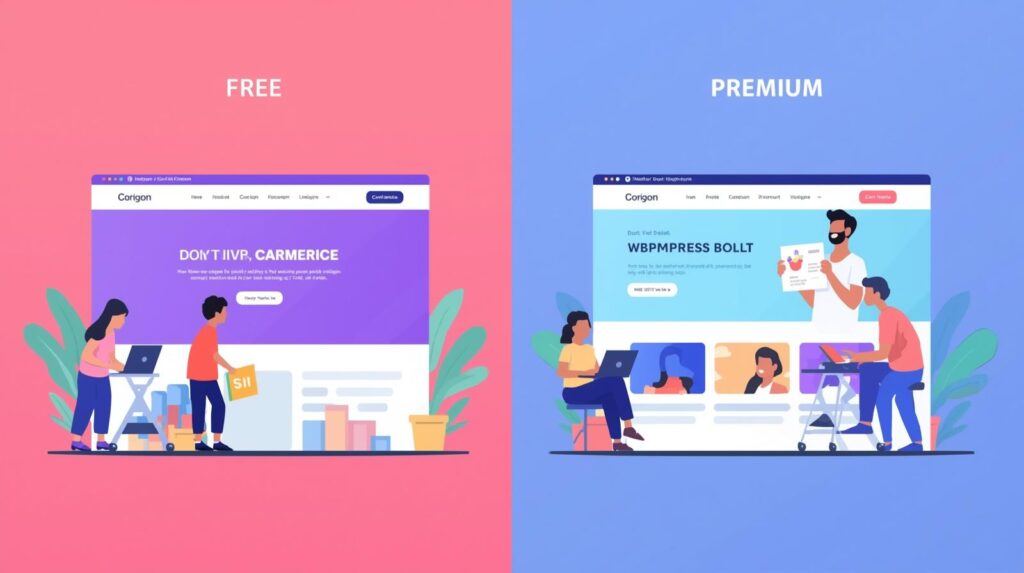
4. Free Themes and Plugins Are Low Quality
“Free” doesn’t mean “bad.” Many free themes and plugins are built by reputable developers and used by millions. Top Free vs Premium WordPress Plugins
Premium options add features — not basic quality.
Why This Matters:
Small businesses often assume they must pay upfront for everything. In truth, WordPress lets you start lean and upgrade only when needed. That flexibility is one of its biggest strengths.
Free tools can still be powerful and reliable.
5. WordPress Websites Are Slow
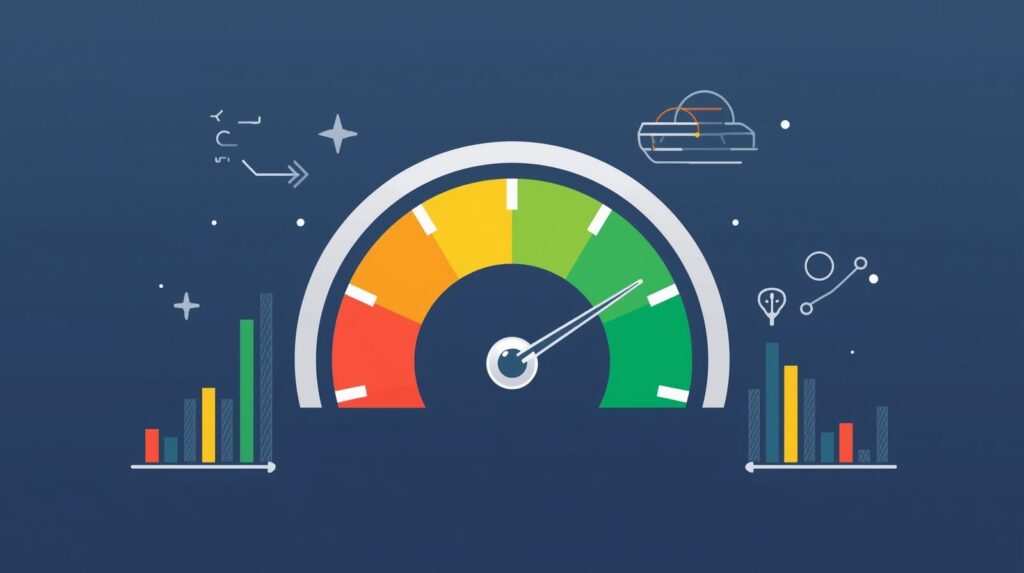
Speed depends on how WordPress is used — not the platform itself. How to Speed Up Your WordPress Website in 2026
Slow sites are usually caused by:
- Heavy themes Good WordPress Theme | Smart Guide for Website Success
- Too many plugins
- Unoptimized images
Why This Myth Is Dangerous:
Believing WordPress is slow pushes people toward expensive platforms that don’t magically fix performance. A well-optimized WordPress site can be incredibly fast — even faster than many custom-built solutions.
Website speed is about optimization, not the platform.
6. WordPress Is Bad for SEO
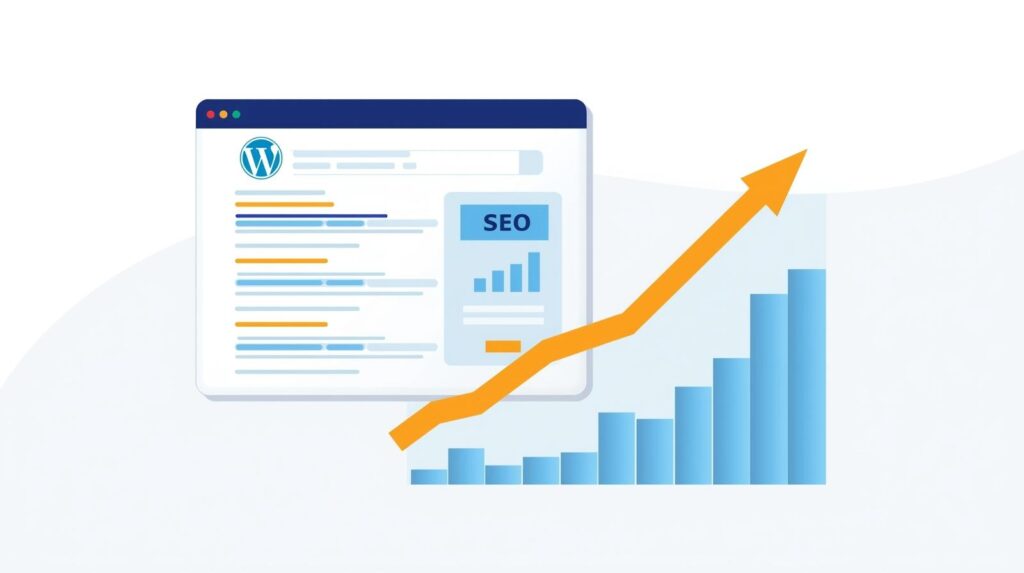
WordPress is actually one of the most SEO-friendly platforms available.
Clean code, structured content, and powerful SEO plugins make optimization easier.
Why This Myth Exists:
SEO requires effort on any platform. When rankings don’t improve instantly, 8 WordPress Settings You Must Change Immediately WordPress gets blamed — even though SEO success depends on content, structure, and strategy, not just the CMS.
WordPress supports strong SEO foundations.
7. Too Many Plugins Will Always Break Your Site
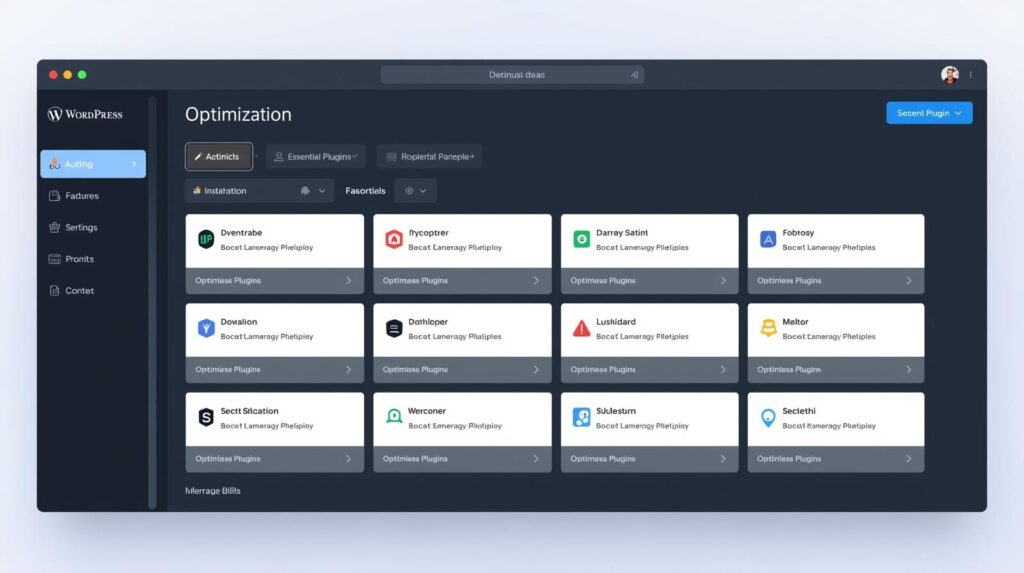
It’s not about how many plugins you use — it’s about which ones. 8 Must-Have Plugins for Every WordPress Website
A few well-built plugins are better than one poorly coded plugin.
Why This Matters:
This myth creates unnecessary fear. Smart plugin selection improves functionality without harming performance. The real problem isn’t plugins — it’s careless plugin management.
Smart plugins enhance—not break—your site.
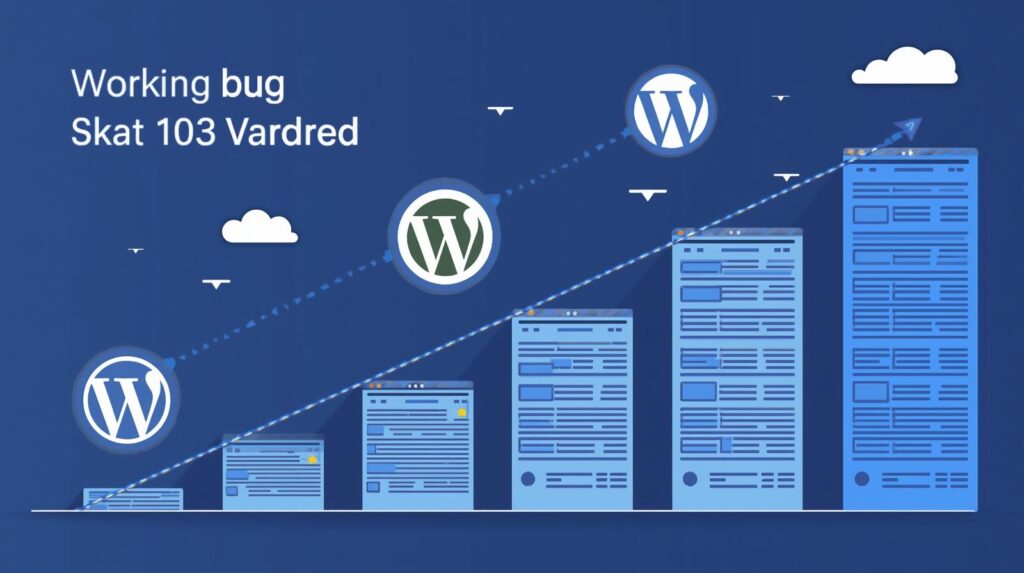
8. WordPress Can’t Handle Large Websites
Some of the world’s biggest websites run on WordPress.
With proper hosting and optimization, WordPress scales extremely well.
Why This Myth Is Outdated:
People assume open-source means “small.” In reality, WordPress powers enterprise-level sites because it’s flexible, scalable, and constantly improving.
WordPress scales with the right setup.
9. WordPress Updates Always Break Websites
Updates don’t break sites — poor preparation does.
Most issues happen when:
- Sites aren’t backed up WordPress Backup Strategies: Never Lose Your Data
- Plugins aren’t compatible
- Updates are skipped for too long
Why This Matters:
Avoiding updates out of fear actually increases risk. Regular updates keep your site secure, stable, and compatible with new features.
Updates protect your site when handled correctly.
10. WordPress Is Dying
This myth resurfaces every few years — and it’s always wrong. 10 Things to Do After Installing WordPress
WordPress continues to grow, evolve, and adapt with modern tools, AI integrations, and performance improvements.
Why This Myth Keeps Coming Back:
New platforms appear and marketing hype follows. But WordPress survives because it’s flexible, community-driven, and constantly evolving — not because it’s trendy.
WordPress continues to evolve, not disappear.
FAQs
Can WordPress handle large or high-traffic websites?
Absolutely. With the right hosting and optimization, WordPress can scale to handle enterprise-level traffic.
Do you need coding skills to manage WordPress?
No. Most day-to-day tasks can be done without coding thanks to modern editors, themes, and plugins.
Are free WordPress themes and plugins safe?
Many free options are safe and high-quality when downloaded from trusted sources. Always check reviews and update history.
Is WordPress still relevant in 2026?
Yes. WordPress continues to grow with performance upgrades, AI integrations, and a strong global community.
Is WordPress really secure for business websites?
Yes. With proper hosting, updates, and security practices, WordPress is highly secure and trusted by millions of businesses.
Final Thoughts
Most WordPress myths come from outdated experiences or misinformation. When used correctly, WordPress is powerful, secure, scalable, and beginner-friendly. 12 Quick Fixes for Common WordPress Errors
At WPDelta, we help businesses move past myths and use WordPress the smart way — with clarity, performance, and growth in mind