

The digital world is evolving faster than ever, and websites are no longer just online brochures—they are powerful business engines. As we move into 2026, WordPress continues to lead the way as the most flexible and scalable platform for building modern websites.
But the real shift is not just in WordPress itself—it’s in how WordPress services are evolving to meet new demands like AI integration, performance, automation, and user experience.
Let’s explore what the future of WordPress services in 2026 looks like—and what it means for your business.
1. AI-Powered WordPress Services Will Become Standard
Artificial Intelligence is no longer optional—it’s becoming a core part of website development and management.
In 2026, WordPress services will increasingly include:
- AI-generated content assistance
- Smart SEO optimization
- Automated design suggestions
- AI chatbots and support systems
Why This Matters:
Managing a website used to take hours of manual work. Now, AI tools can handle repetitive tasks and provide smart recommendations instantly. This doesn’t replace human creativity—it enhances it. Businesses that adopt AI-powered WordPress services will move faster, create better content, and stay ahead of competitors who rely only on manual processes.
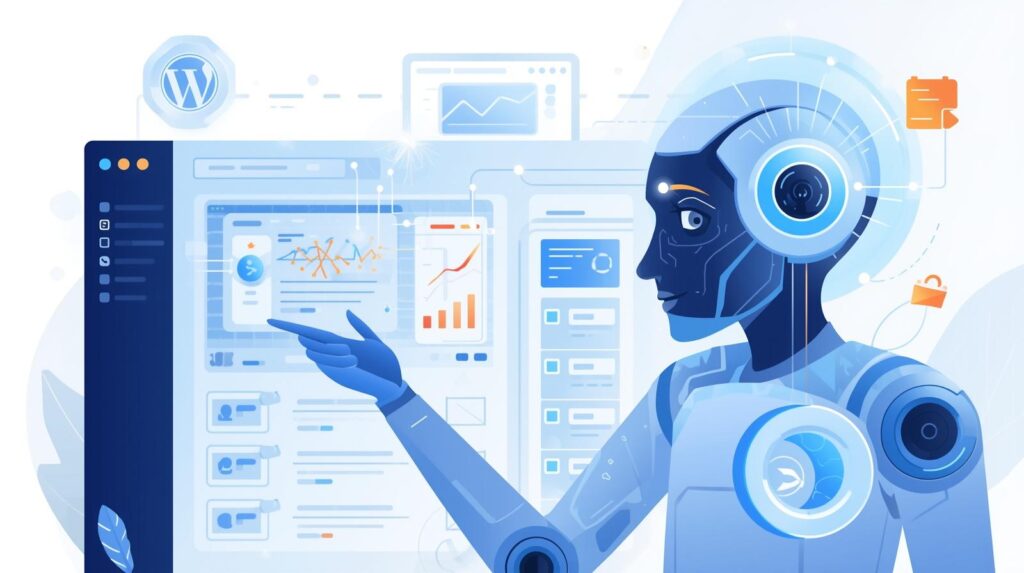
AI-powered tools are transforming how WordPress websites are built and managed.
2. Performance Optimization Will Be a Top Priority
Website speed and performance are becoming critical ranking and conversion factors. With increasing competition, even a one-second delay can cost customers.
Future WordPress services will focus heavily on:
- Core Web Vitals optimization
- Advanced caching systems
- Lightweight themes and frameworks
- Server-level performance tuning
Why This Matters:
Users expect instant results. A slow website feels outdated and unreliable. In 2026, performance won’t just be a technical factor—it will directly impact trust, SEO rankings, and revenue. Businesses that invest in performance optimization will see better engagement and higher conversions.
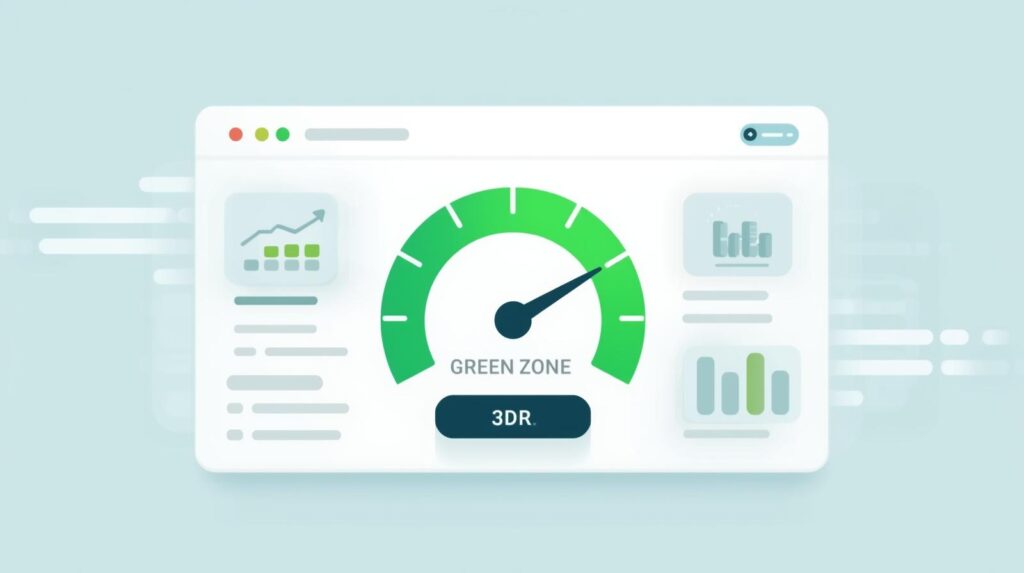
Fast-loading websites are essential for rankings and user experience.
3. Security Services Will Become More Advanced
As websites grow, so do security threats. Cyberattacks are becoming more sophisticated, making security a top priority for WordPress services.
Future-focused security services will include:
- AI-based threat detection
- Real-time monitoring
- Automated malware removal
- Advanced firewall protection
Why This Matters:
Security is no longer just about protection—it’s about reputation. A single security breach can damage customer trust and business credibility. In 2026, proactive security services will be essential, not optional.
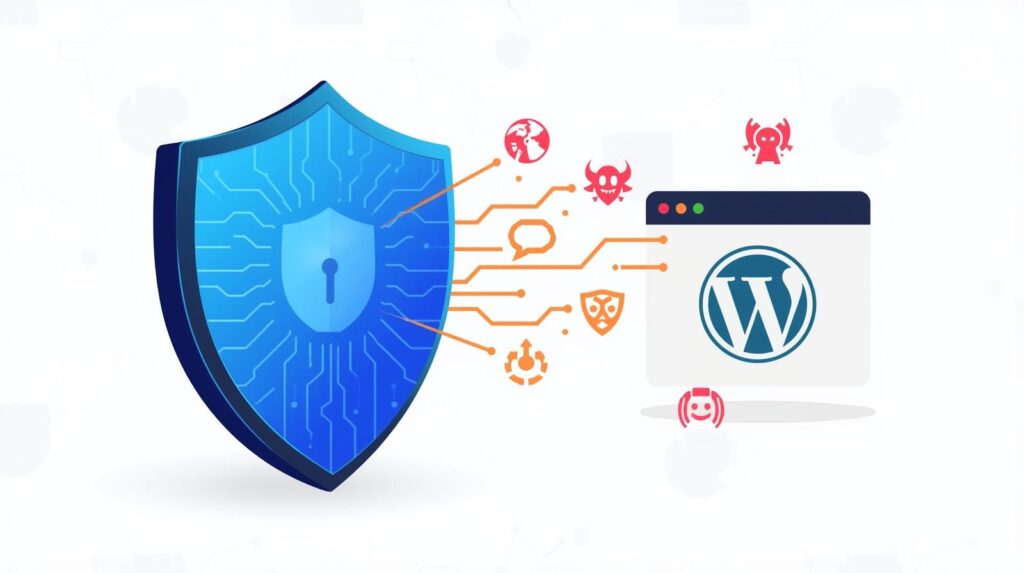
Modern WordPress security focuses on real-time protection and threat detection.
4. Conversion Optimization Will Drive Service Demand
Businesses are shifting focus from just getting traffic to converting that traffic into customers.
WordPress services will increasingly focus on:
- Conversion-focused design
- A/B testing
- User behavior tracking
- Personalized user experiences
Why This Matters:
More traffic doesn’t always mean more sales. The real value lies in converting visitors into customers. In the future, WordPress services will be judged by how well they improve conversions—not just how good a website looks.
Websites are evolving to focus more on turning visitors into customers.

5. Fully Managed WordPress Services Will Grow
Many business owners don’t have time to manage updates, security, backups, and performance. This is why fully managed WordPress services are becoming more popular.
These services handle everything:
- Updates and maintenance
- Security monitoring
- Backups
- Performance optimization
- Technical support
Why This Matters:
Running a business is already demanding. Website management should not become a burden. Managed services allow business owners to focus on growth while experts handle the technical side. This trend will continue to grow in 2026 and beyond.
Fully managed WordPress services simplify website maintenance for businesses.
6. Mobile-First and UX-Focused Services Will Dominate
Most users now access websites from mobile devices. This shift is shaping how WordPress services are delivered.
Future services will prioritize:
- Mobile-first design
- Fast mobile performance
- Simplified navigation
- Better user experience (UX)
Why This Matters:
If your website doesn’t work smoothly on mobile, you’re losing customers. A mobile-first approach ensures your website meets user expectations and delivers a seamless experience across all devices.
Mobile-first design ensures seamless user experience across devices.
7. Integration with Marketing and Automation Tools
WordPress websites are becoming central hubs for digital marketing.
Future WordPress services will include deeper integration with:
- Email marketing tools
- CRM systems
- Automation platforms
- Analytics tools
Why This Matters:
A website should not work in isolation. When connected with marketing tools, it becomes a powerful system that attracts, engages, and converts customers automatically. This integration will be a key part of WordPress services in 2026.
WordPress websites are becoming central hubs for digital marketing tools.
8. Customization and Personalization Will Increase
Users expect personalized experiences based on their behavior and preferences.
Future WordPress services will focus on:
- Dynamic content
- Personalized recommendations
- User-specific experiences
Why This Matters:
Generic websites no longer stand out. Personalization helps create a deeper connection with users, making them more likely to engage and convert. Businesses that offer tailored experiences will have a clear advantage.
Personalized user experiences are shaping the future of web engagement.
FAQs
What are the biggest WordPress trends in 2026
Key trends include AI integration, performance optimization, enhanced security, automation, and mobile-first design.
Will AI replace WordPress developers?
No. AI will assist developers, not replace them. Human creativity, strategy, and customization are still essential.
Are managed WordPress services worth it?
What is included in managed WordPress services?
Managed WordPress services typically include updates, security protection, backups, uptime monitoring, performance optimization, and technical support.
What role will SEO play in future WordPress services?
Final Thoughts
The future of WordPress services in 2026 is all about speed, intelligence, automation, and user experience. WordPress is not just a platform anymore—it’s a complete ecosystem for building and growing online businesses.
Businesses that adapt to these changes will not only stay competitive but also unlock new growth opportunities.
At WPDelta, the focus is on helping businesses stay ahead by offering modern WordPress solutions built for performance, security, and conversions.