


By WPDelta
Running a WordPress website isn’t a “set it and forget it” job. Updates, security, performance, and backups all require ongoing attention. That’s exactly why WordPress maintenance plans have become one of the most profitable and stable revenue streams for digital agencies.
But here’s the real question: How do successful agencies actually sell these plans consistently?
Let’s break it down in a simple way—no fluff, just real strategies that work.
The Real Shift: From One-Time Projects to Recurring Revenue
Smart agencies don’t rely only on building websites anymore. They’ve shifted toward recurring income models, and maintenance plans are at the center of it.
Instead of saying:
“We’ll build your website for $500”
They say:
“We’ll take care of your website every month so it stays fast, secure, and growing.”
That’s a mindset shift—and it changes everything.
Step 1: Position It as a Necessity (Not an Option)
The biggest mistake beginners make is presenting maintenance as an “extra add-on.”
Successful agencies frame it as essential.
How they do it:
- They explain risks: hacking, downtime, broken plugins
- They show real examples of neglected sites
- They compare it to car servicing or health checkups
Example pitch:
“Your website needs regular updates and protection. Without it, you risk downtime, data loss, or even getting hacked.”
Make it feel like insurance, not a luxury.
Explaining website risks and the importance of regular maintenance

Step 2: Package Your Services Smartly
Agencies don’t sell “maintenance.” They sell solutions in packages.
Typical WPDelta-style packages:
1. Basic Care Plan
- Weekly updates (plugins, themes, core)
- Security monitoring
- Monthly backups
2. Growth Plan
- Everything in Basic
- Speed optimization
- Uptime monitoring
- Monthly reports
3. Pro Plan
- Everything in Growth
- SEO improvements
- Content edits
- Priority support
The trick is to give clear value differences so clients upgrade naturally.
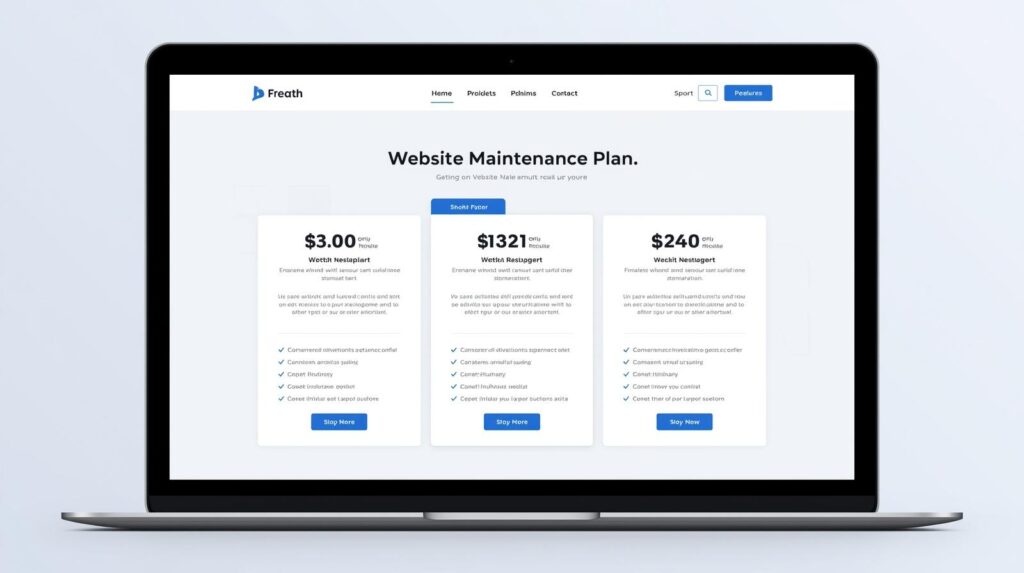
Structured WordPress maintenance plans displayed clearly
Step 3: Sell Outcomes, Not Features
Clients don’t care about “plugin updates.” They care about results.
So instead of saying:
“We update plugins weekly”
Say:
“Your website stays secure and runs smoothly without crashes.”
Instead of saying:
“We take backups”
Say:
“Even if something breaks, your site is restored instantly.”
Translate every feature into a benefit.
Highlighting results like speed, security, and uptime

Step 4: Use Reports to Prove Value
One of the smartest tactics agencies use is monthly reporting.
These reports include:
- Updates completed
- Security checks
- Performance improvements
- Traffic insights
This does two things:
- Builds trust
- Reminds clients why they’re paying you
Without reports, clients may forget your value.
Monthly performance and maintenance report dashboard

Step 5: Sell During the Right Moment
Timing is everything.
The best time to sell a maintenance plan is:
- Right after completing a website
- When fixing a hacked site
- During a performance issue
Example:
“We’ve fixed your issue, but to prevent this from happening again, we recommend a monthly care plan.”
That’s when clients are most receptive.
Offering a maintenance plan after solving a website issue

Step 6: Make It Subscription-Based
Agencies don’t charge randomly—they use monthly subscriptions.
Why?
- Predictable income
- Easier for clients to pay
- Builds long-term relationships
Common pricing:
- Basic: $20–$50/month
- Growth: $50–$100/month
- Pro: $100–$300+/month
Even with 20–30 clients, this becomes a solid income stream.
Recurring revenue model for WordPress services

Step 7: Build Trust First, Then Upsell
People don’t buy maintenance—they buy peace of mind from someone they trust.
So agencies:
- Offer free audits
- Fix small issues first
- Provide quick support
Then they introduce the plan.
Trust leads to value, and value leads to the sale.
Building client trust through support and quick fixes

Step 8: Bundle Extra Services for Higher Value
To increase profits, agencies bundle:
- SEO services
- Content updates
- Design tweaks
- Hosting
This turns a $30 plan into a $150+ monthly package.
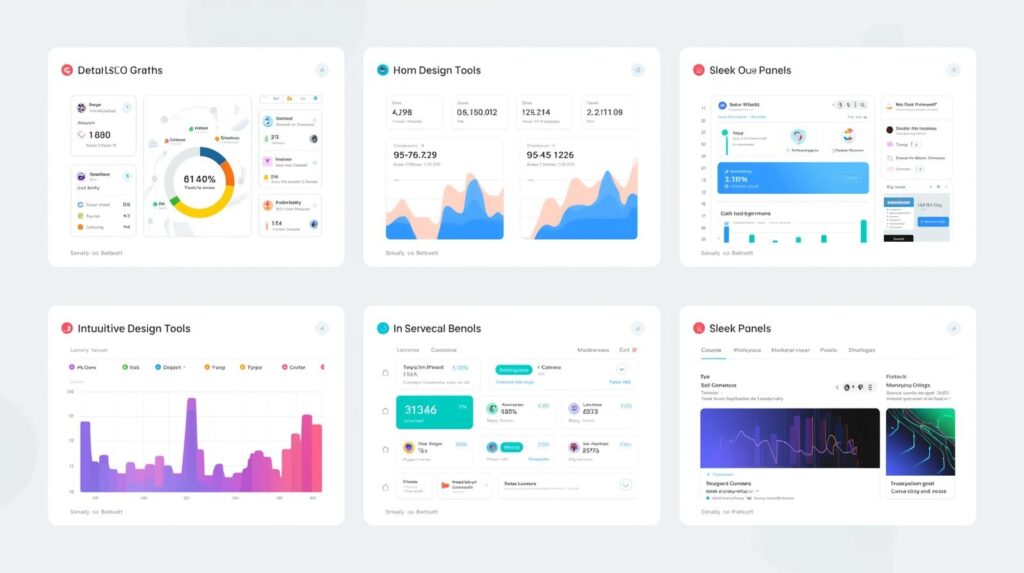
Combining SEO, design, and maintenance into one package
Common Mistakes to Avoid
- Selling too technically (clients don’t understand jargon)
- Offering only one plan (no flexibility)
- Underpricing your services
- Not showing results or reports
- Treating it as optional
FAQs
Why do clients need a WordPress maintenance plan?
Because websites require regular updates, security checks, and backups to stay safe and functional.
How much should I charge?
Start with $20–$50/month for basic plans and scale based on services offered.
Can I automate maintenance tasks?
Yes, tools can automate updates, backups, and monitoring, but human oversight is still important.
How do I convince clients?
Show risks, provide examples, and focus on benefits like security and peace of mind.
Is this a profitable service?
Yes, it creates consistent recurring income and long-term client relationships.
Final Thoughts (WPDelta Insight)
Selling WordPress maintenance plans isn’t about pushing a service—it’s about solving ongoing problems.
The agencies that win are the ones who:
- Educate their clients
- Show real value
- Build long-term relationships
At WPDelta, we believe:
“A website is not a one-time project—it’s a living asset that needs continuous care.”
And once your clients understand that, selling maintenance plans becomes effortless.